
Is September a Good Time to Visit the Dolomites? Weather, Lifts & Hiking Guide
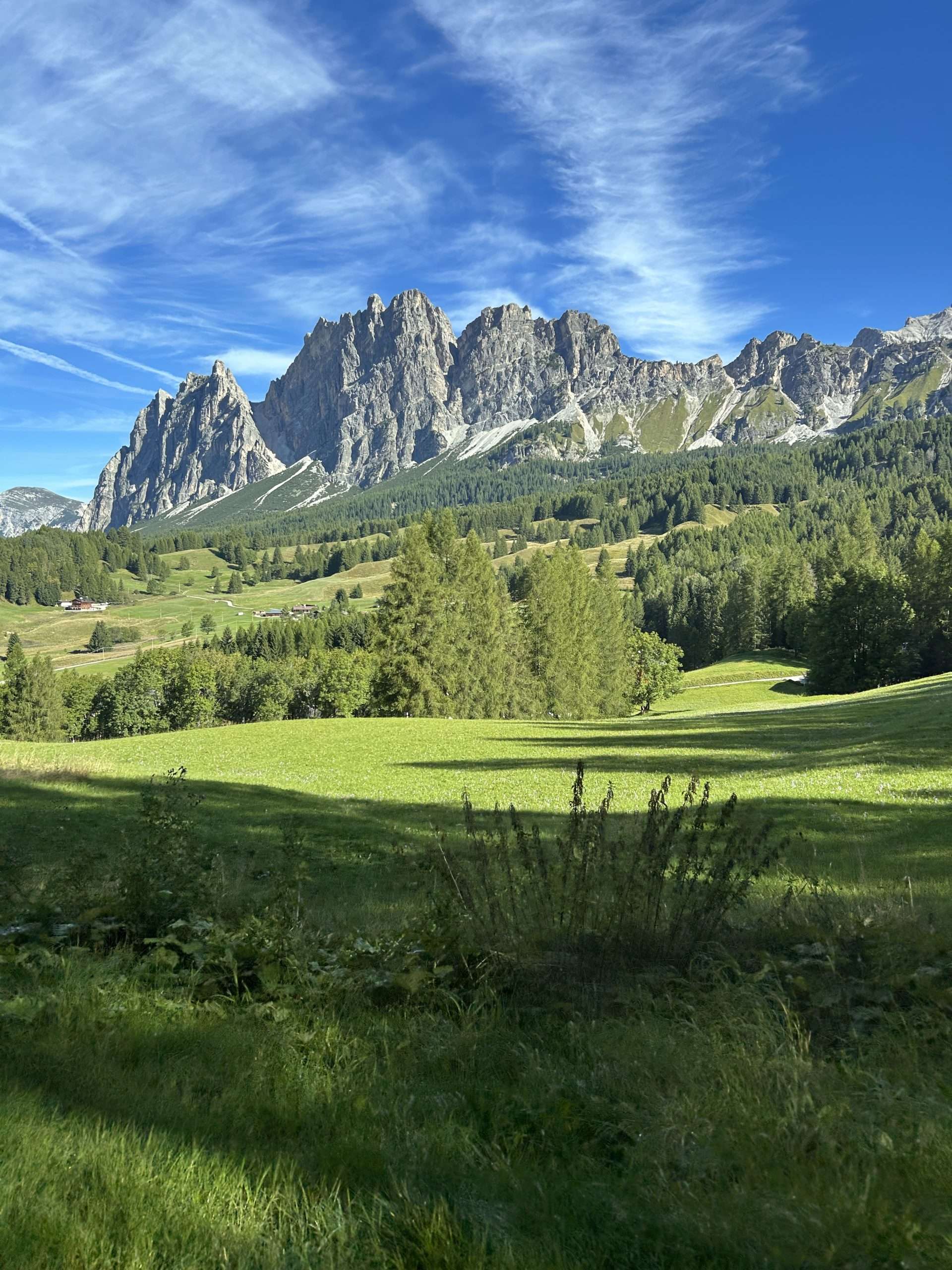
September in the Dolomites is a season of contradictions. One day you’re hiking under a brilliant blue sky in a t-shirt, and the next, you’re watching the first dusting of snow hit the jagged limestone peaks. It is widely considered the “sweet spot” for hikers, but it comes with a unique set of logistical hurdles—from shifting lift schedules to the unpredictability of high-altitude trails.
If you’re trying to decide if September is right for your trip, here is the honest reality on the crowds, the gear you’ll actually need, and the logistics of the “shoulder season.”
Disclaimer: We use affiliate links and may receive a small commission on purchases at no extra cost to you. Thank you for your support!
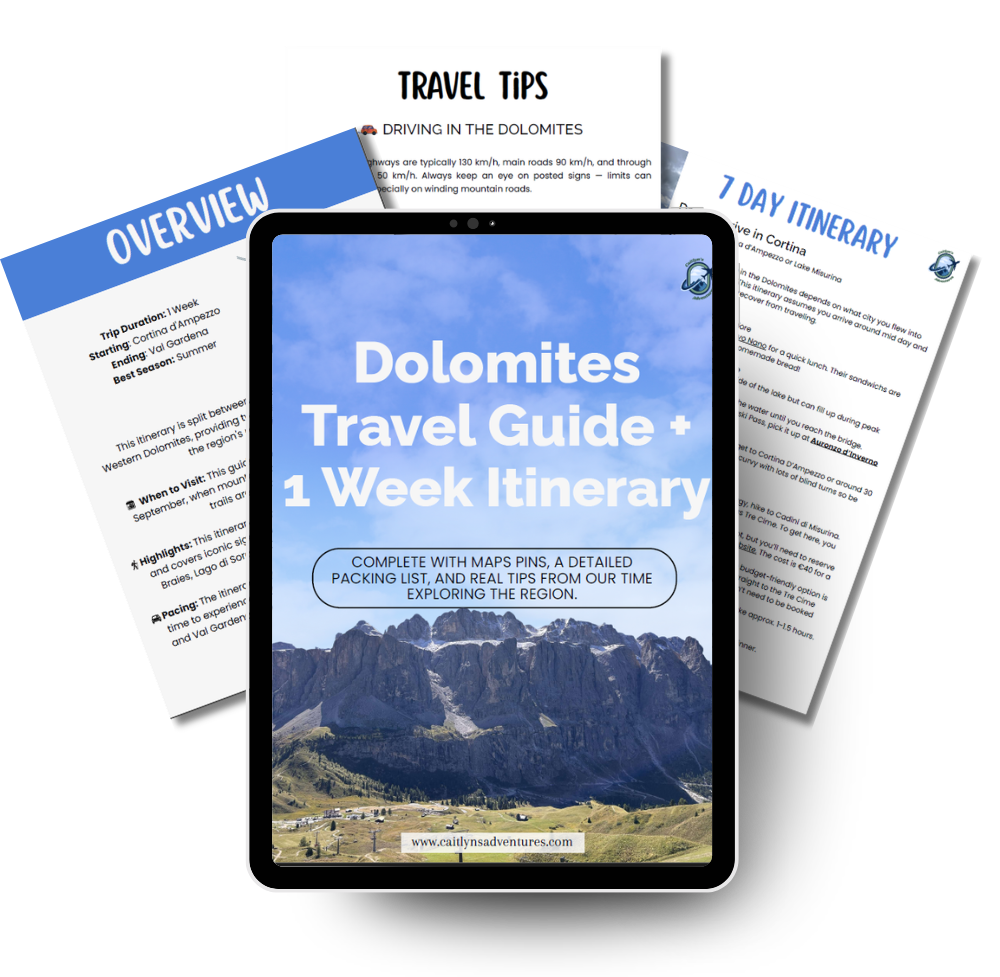
Dolomites Travel Guide + 7 Day Itinerary
A complete 7 day Dolomites travel guide split into 4 days in the east and 3 days in the west, designed to help you explore must-see viewpoints, hikes, and hidden gems without the stress of trip planning. Includes a custom map, packing tips, accommodation suggestions, and a detailed day-by-day itinerary.
Weather in the Dolomites in September
In September, the Dolomites transition into more stable hiking weather. You can expect average highs between 60°F and 70°F, with lows dipping into the 30s and 40s.
Of course, these numbers fluctuate based on where you are. If you’re at a high mountain pass the wind is much stronger than in the sheltered valleys; it often feels 10 degrees colder than the thermometer says.
It’s important to be prepared for rapid changes. While hiking around Tre Cime di Lavaredo, I went from being perfectly comfortable in a short-sleeve shirt to needing my jacket and beanie just a few minutes later. This is why layering is non-negotiable in the Dolomites. Even if the valley looks sunny when you leave your hotel, the weather could easily change before you get to your destination.
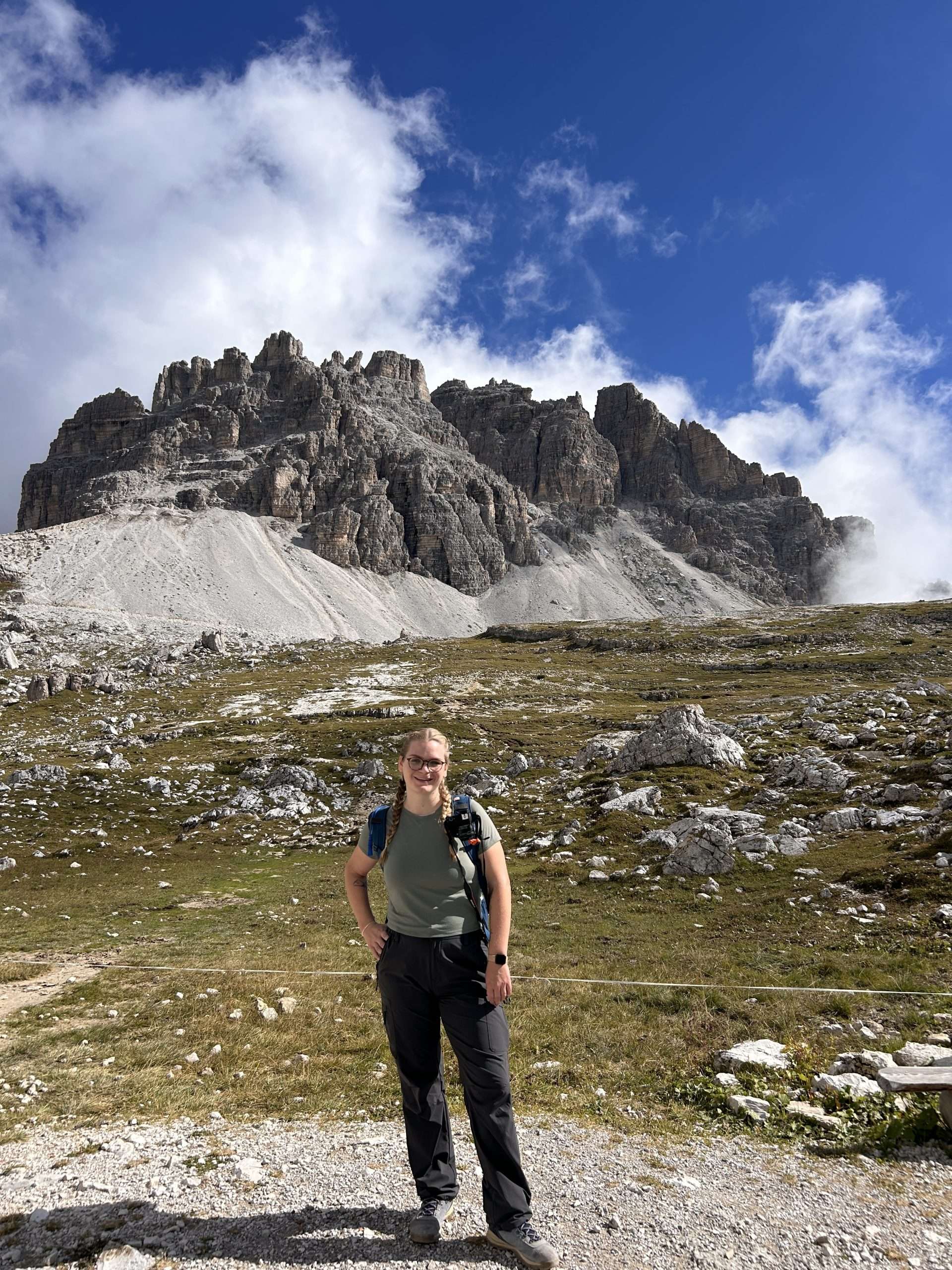
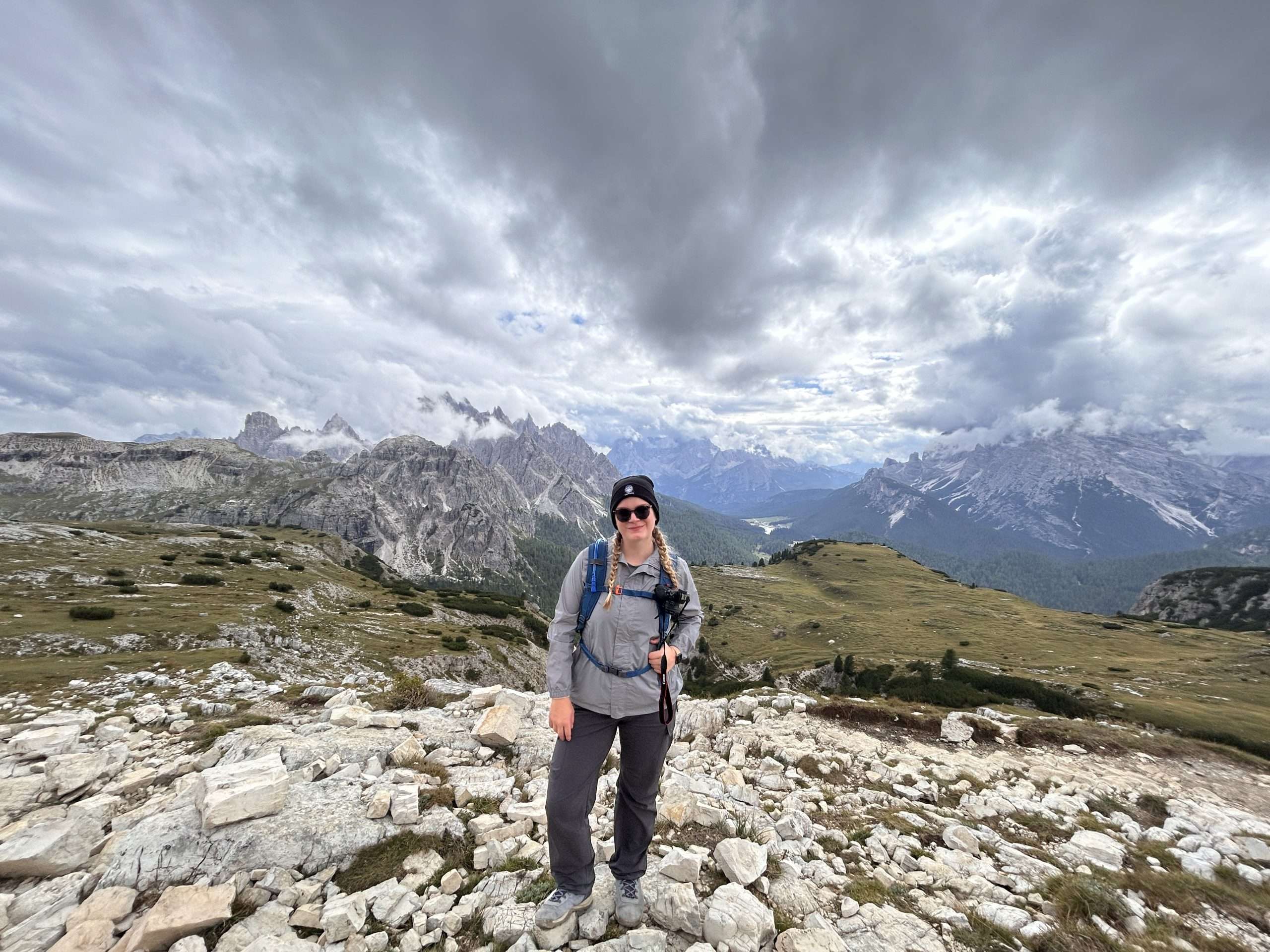
Does it rain in September? September is one of the drier months, averaging only 6–8 days of rain. During our 7 days in the region, it rained twice, but never for the whole day. One day the rain hit in the morning and the other in the afternoon, leaving us plenty of time to explore once the clouds cleared.
Rifugios and Lifts: The September Cut-off
Most rifugios remain open for the majority of September, typically closing during the final week of the month. However, closing dates are highly weather-dependent and vary by altitude. I highly recommend checking the specific website for each rifugio on your itinerary to confirm their exact closing dates.
Similarly, lifts and gondolas begin their seasonal closures in late September. If you are planning a trip for the end of the month, double-check the lift schedules, as a closed gondola can turn a moderate stroll into a grueling 3,000-foot climb. We visited during the first week of September, and every gondola we needed was still fully operational.
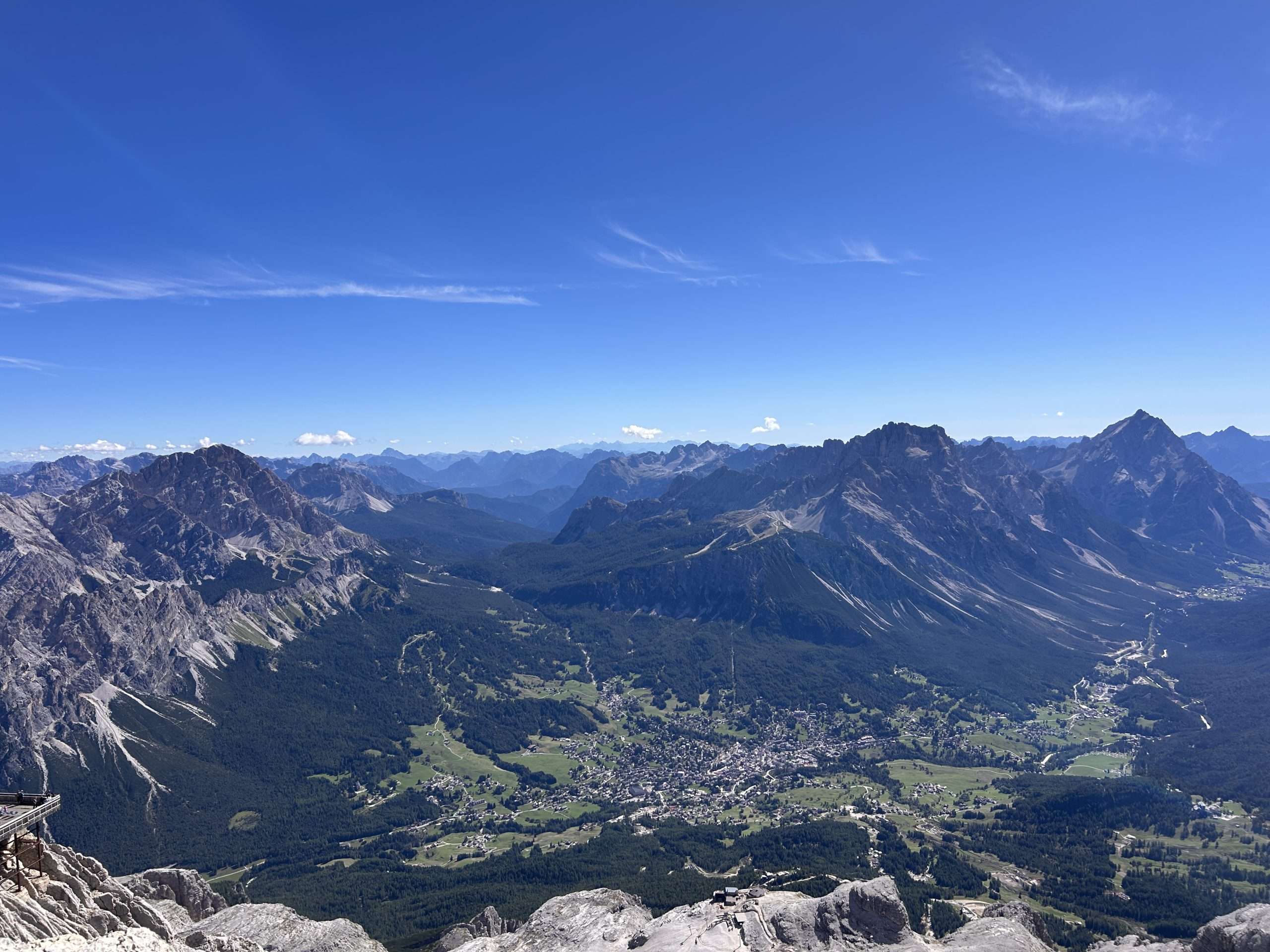
Crowds in September
Mid-to-late September is the begin of the “shoulder season” in the Dolomites. As the rifugios and lifts begin to wind down for the winter, the tourist numbers do drop compared to the peak summer heat.
However, don’t expect to have the mountains to yourself! While crowds start to thin out slightly compared to the chaos of July and August, the first half of September remains very popular. Parking lots at famous spots (like Lago di Braies or Tre Cime) still fill up by mid-morning.
The good news? We found the gondola and lift lines to be very manageable. During our visit in the first week of September, we never encountered long waits and were able to hop on most lifts almost immediately. If you want the best of both worlds (everything open but slightly fewer people) the first two weeks of September are the “sweet spot.”
What to Pack for the Dolomites in September
The key to packing for the Dolomites in September is layering. Avoid cotton since it holds moisture and can make you cold when it’s wet. Instead, opt for synthetic fabrics, merino wool, or anything quick-dry.
Base Layer
Start with a moisture-wicking T-shirt as your base layer. You can also pack one or two long-sleeve base layers, but having at least one short-sleeve option is best for when the weather warms up during the day.
Mid Layer
A zip-up fleece is great for when the temperature starts to drop, especially in the mornings or evenings. It adds warmth without being too bulky and layers easily under a jacket if it gets colder.
Rain Coat
A raincoat is a must on the trail! Bonus points if it’s wind-resistant, since you can easily throw it over your layers for extra warmth. I love this one because it packs down small, rolls up easily, and doesn’t take up much space in your backpack.
Hiking Pants
Quick-dry, wind-resistant hiking pants are your best option. They’ll keep your legs protected on the trail but are still breathable enough for when the temperature warms up during the day.
Hiking Shorts
One or two pairs of hiking shorts should be plenty for those warmer days when you’re at lower elevations or just exploring around town.

Beanie & Gloves
Even if it’s 70°F in town, pack a lightweight beanie and liner gloves in your hiking backpack because the weather can be much colder at higher elevations.
Sturdy Hiking Boots
Good hiking boots are essential for ankle support, grip, and navigating loose rocks and wet/muddy trails. Ensure they are well-broken-in and waterproof.
Hiking Socks
One thing you don’t want to skimp on is good pairs of hiking socks. Look for ones that are quick-drying and cushioned to keep your feet comfortable (and blister-free) all week long! I’ve tried a few different brands and personally swear by Darn Tough Hiking socks. Be sure to pack at least 3-4 pairs so you always have a clean pair to wear.
Is September in the Dolomites a Good Idea
The short answer: Absolutely. In my opinion, September is the “Goldilocks” month for the Dolomites. You bypass the sweltering heat and massive crowds of August, but you still get enough daylight and open infrastructure to have a full mountain experience.
While you have to be a bit more strategic with your packing and keep a close eye on the rifugio closing dates, the reward is stable weather, crisp air, and the beginning of that stunning autumn transformation.
Ready to start planning? I’ve put together a full guide to the best places to stay in the Dolomites, along with my 7-day itinerary split between the east and west. And if you’re wondering which trails are actually worth it, this guide covers the 7 best hikes you don’t want to miss.


Thanks, nice information to have when planning your Dolomite vacation!!!
The article is outstanding and very helpful. The site keeps surprising me with its usefulness.
My blog джерело
Great piece that respects both depth and readability.
This site continues to shine.
We always travel in September and are always looking for a new spot to explore. The Dolomites look like a good time to visit before winter settles in permanently. Good to be reminded that things start to close at the end of the month.
I love traveling in September! It tends to be the shoulder season in a lot of places, making it slightly cheaper and less crowded. I definitely recommend the Dolomites, I hope you get to visit soon!