
Visiting Cusco for the First Time: 11 Important Tips (2026 Guide)
Cusco, Peru is a stunning city surrounded by the Andes Mountains and Inca ruins in every direction, it’s no wonder so many people visit each year! If you’re planning a trip soon, you’re in the right place. Here are 11 important things to know before visiting Cusco—based on my experience and what I wish I had known before going.
Cusco’s High Altitude: How to Avoid Altitude Sickness
Cusco sits at 11,152 feet above sea level, which can be quite an adjustment depending on where you’re coming from. We live just outside of Atlanta, which is barely over 1,000 feet in elevation—so flying into Cusco was a big change for us! We definitely felt out of breathe during out trip and had a slight headache the first day, but nothing too intense.
To help prevent altitude sickness, start drinking lots of water the day before you arrive, and keep hydrating throughout your stay.
Cusco is a very hilly city with lots of stairs, so expect to feel a bit winded during your first few days. Take it slow and give your body time to adjust, but don’t stay completely still. Light movement can actually help you acclimate more quickly.


Most hotels offer coca tea, which helps with the altitude and you should definitely drink it! You’ll also find coca candies in local shops, and grabbing a few of those can help ease the effects as well.
On our first day, we definitely felt out of breath and had a slight headache. But to be fair, we also had an overnight flight and didn’t get much sleep, so it was probably a combination of both altitude and exhaustion.
Public Bathrooms in Cusco: What First-Time Visitors Should Know
Most restaurants in Cusco will offer free bathrooms, so be sure to use them whenever you stop in to eat. Most stores, however, do not have public restrooms. If you’re out and about and need one, try searching “public toilets” on Google Maps and a few locations should come up.
Keep in mind that these public restrooms usually aren’t free. Most cost around 1 sol, and in return, you’ll often be given a small amount of toilet paper. It’s a good idea to carry your own, either a small roll or some folded sheets in your bag, since not all bathrooms will have toilet paper available. There were a few times, including at the Cusco airport, when we found bathrooms completely out.
Should You Eat Near Plaza de Armas? Restaurant Tips for Cusco
Cusco has a really great food scene, I was honestly very impressed with the quality of the dishes and the techniques used. That being said, don’t be afraid to venture outside of the main square and try other restaurants around the city.
Restaurants right around the Plaza de Armas tend to be more expensive and have longer wait times compared to those just a few blocks away. Exploring a bit farther can lead you to some amazing, less crowded spots. You can checkout a few of my favorite spots I tried while in Cusco here!
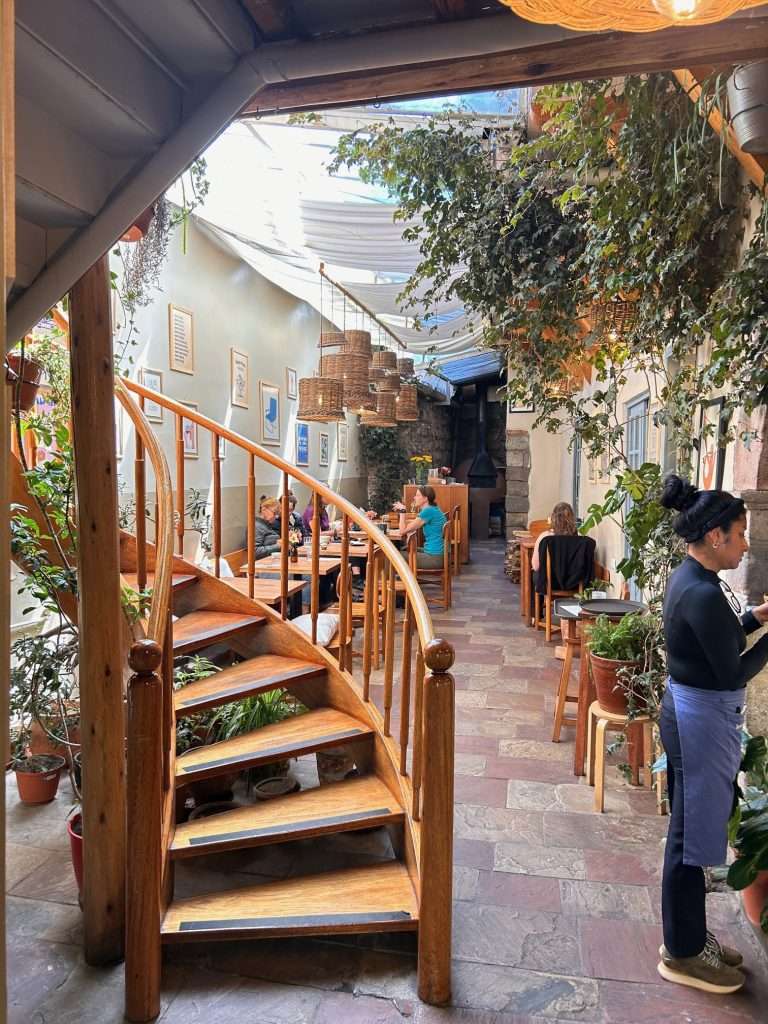
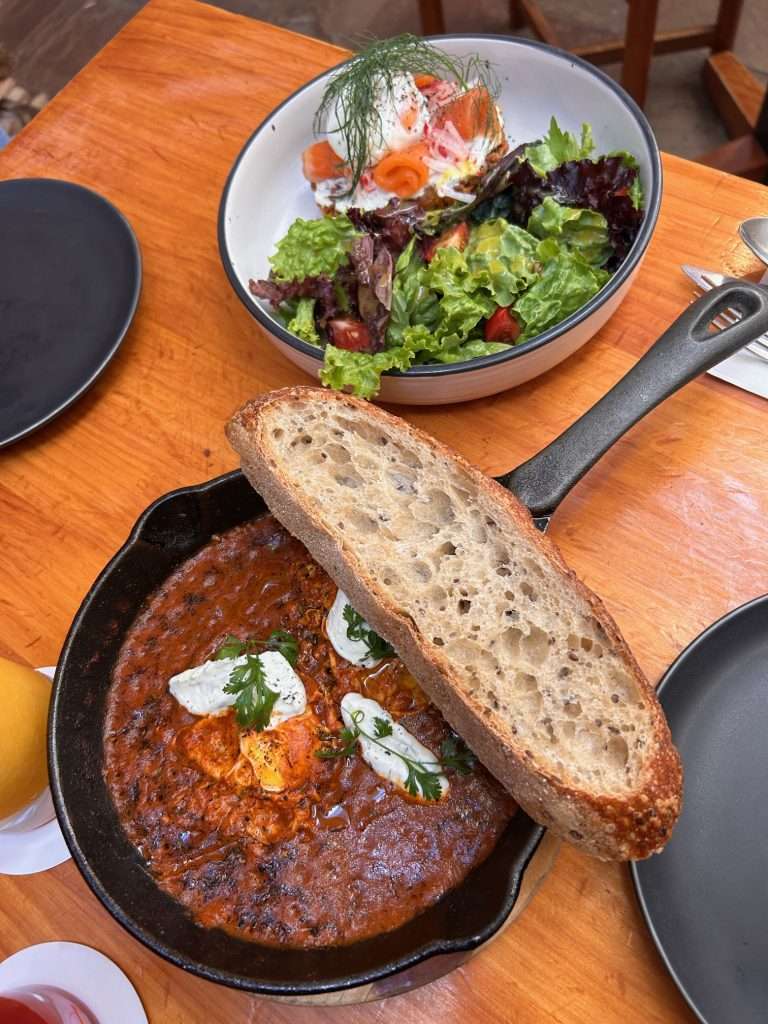
 I recommend trying Local Restaurante
- There brunch was delicious, 10/10
Do You Tip in Cusco?
Tipping isn’t really a common practice in Peru overall, but it’s becoming more expected in touristy areas like Cusco. As more visitors leave tips, it’s starting to be seen as part of the norm. It’s not like in the U.S. 10% is typical but anything is appreciated. I usually left cash, but if you prefer to tip by card, you can let them know and they’ll add it to the total.
How to Get Around Cusco
You’ll find a mix of transport options in Cusco, including walking, local buses, and ride-sharing services. Be prepared to utilize a combination of these methods to explore the city and its surrounding Sacred Valley sites.
Walking Around Cusco: Hills, Stairs, and What to Expect
Cusco is a super walkable city, with tons to see and do right in the city center. We stayed at Muru Hotel, which was about a 15-minute walk from the main plaza and honestly, we didn’t mind the walk at all.
One thing to know before arriving: Cusco is a very hilly city, and a lot of the streets have stairs. So be ready to burn a few extra calories! But don’t let that scare you, you can always grab a taxi or Uber when you need a break.
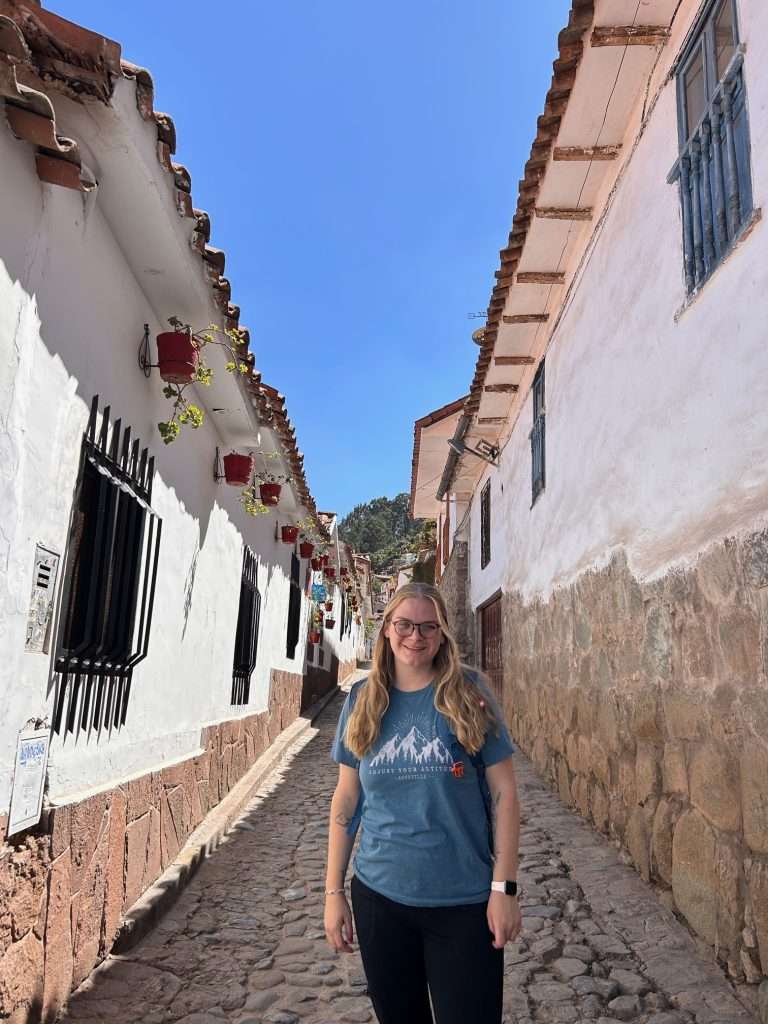
Something I didn’t expect was how narrow some of the side streets are, including the sidewalks. Don’t be surprised if you find yourself hugging a wall when a car comes by. Just stay aware of your surroundings and try not to stand in the street when cars are approaching.

Using Uber in Cusco: Costs, Safety, and Availability
Ubers are very common in Peru and incredibly affordable. I personally used Uber almost the entire time, except for the first day, when I arranged a taxi ahead of time to get from the airport to our hotel.
During our trip, most Uber rides within the city were under $2 USD. When we headed to Machu Picchu, the ride to the Poroy train station (about 30 minutes away) cost around $13 USD. On our last day, our ride from the hotel to the airport was just under $6 USD. All of our drivers were friendly, and most Ubers arrived within 2–3 minutes.
Taking Taxis in Cusco: How to Avoid Overpaying
Another option for getting around Cusco is by taxi, and you’ll find plenty throughout the city. I didn’t use taxis much during my time in Peru, but if you choose to take one, be sure to agree on the fare ahead of time and double-check whether it includes mileage. It’s a good way to avoid surprises later!
Cash, Credit Cards, and Exchanging Money in Cusco
While most restaurants and shops in Cusco accept cards, it’s still a good idea to carry some cash for small markets or places that don’t take card. It’s also helpful to have coins on hand for things like using public bathrooms or leaving tips. Depending on your bank, you may be able to order Soles ahead of time, but I found it really easy to bring USD and exchange it as needed once in Cusco. I brought and exchanged around $300 usd during my week, but honestly could have done less.
If you want to have a few soles on hand when you land, you can exchange money at the airport. Just keep in mind that the exchange rate there is usually lower than what you’ll find in the city. At the airport, we got 1 USD = 3.44 soles, whereas in Cusco, at small money exchange spots (called Casa de Cambio), I usually got around 1 USD = 3.67 soles. While that might not seem like a huge difference, it definitely adds up when exchanging $100 or more.
Curious how much you can expect to spend during one week in Peru? Checkout my full cost breakdown here!
What to Expect at Cusco’s Plaza de Armas
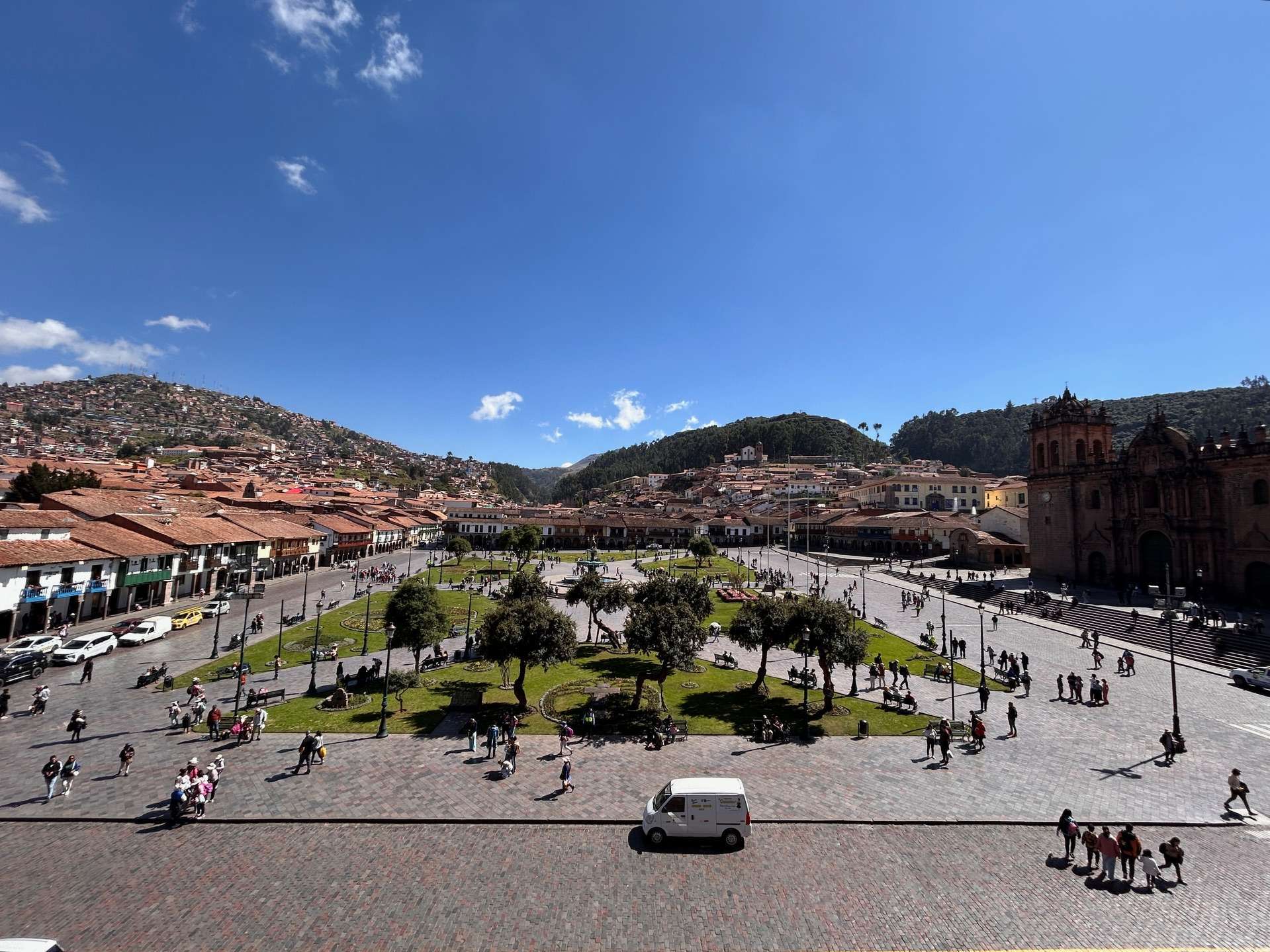
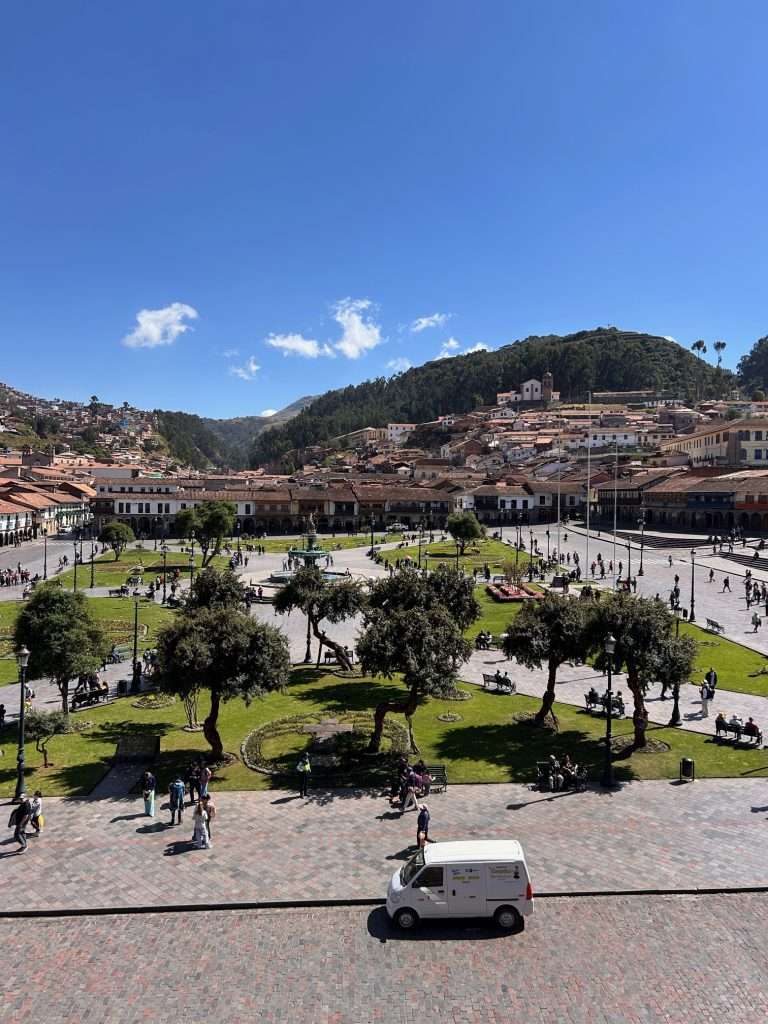
The Plaza de Armas is a very busy area, filled with both tourists and locals hanging out. Because it’s such a popular spot, you’ll also find lots of people trying to sell tours, souvenirs, food, massages, etc. While it can get a little frustrating to be approached so often, usually a quick “no gracias” and continuing to walk is enough for them to move on. Just keep in mind that if you show even a little interest, they’ll likely try harder to sell their product to you.

Buying Souvenirs in Cusco: Prices and Bargaining Tips
There’s no shortage of souvenir shops in Cusco. Most of them sell similar items, though prices can vary quite a bit. I recommend shopping around if you want to find the best deals before buying anything. One thing to note is that sellers will usually give you a high starting price, but they’ll often lower it if you try to walk away or negotiate.
For example, we bought a shot glass from a souvenir shop just off the Plaza for 20 soles. The original price was 50, but the vendor came down quickly after some haggling. Later that week, we found a very similar one at a small shop in the San Blas Market for just 5 soles!
Best Time to Visit Cusco: Wet Season vs. Dry Season
Peru has distinct wet and dry seasons, each with its own pros and cons.
The wet season typically runs from November to March and tends to have fewer tourists since most people want to avoid the rain. If you travel during this time, be aware that tours can sometimes be canceled due to muddy roads or unsafe driving conditions.
The dry season runs from April to October and is generally considered the best time to visit for hiking and outdoor activities. Because of this, you can expect larger crowds compared to the wet months.
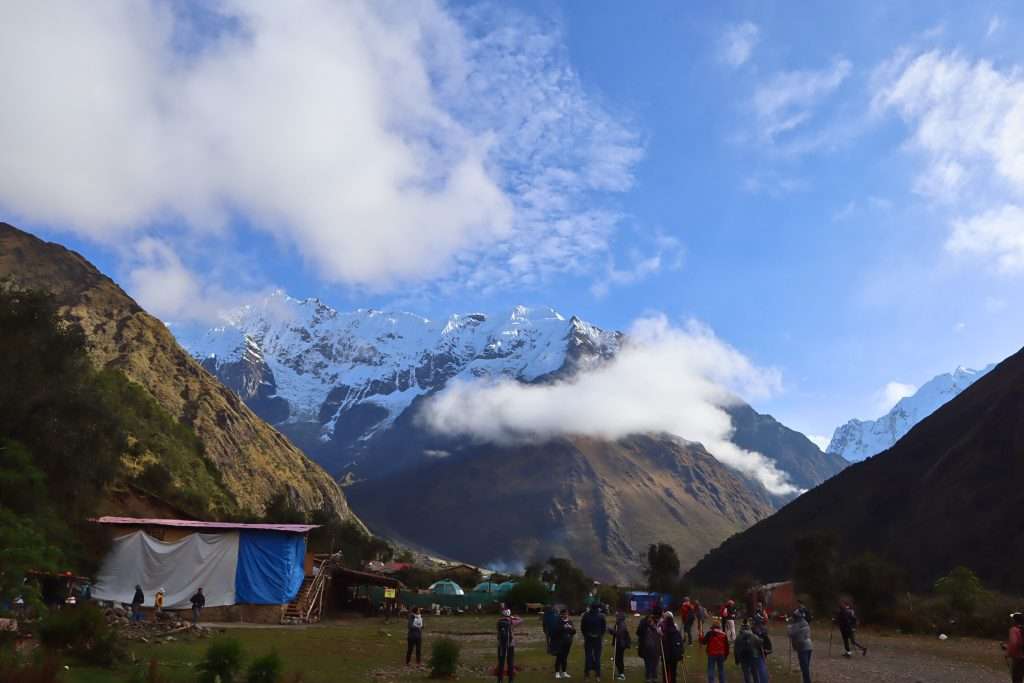

We visited in mid-May, which is considered the shoulder season, and didn’t find the crowds to be overwhelming. The weather was also very pleasant—warm during the day but a bit chilly after sunset. We only encountered rain once, while in Aguas Calientes.
Can You Drink the Water in Cusco?
The tap water isn’t safe to drink anywhere in Peru, so you’ll need to buy bottled water to stay hydrated. Don’t expect free water in restaurants, if you order water, it’ll be a small bottle of filtered water, usually costing around 5 to 7 soles. I’ve read online that some people recommend brushing your teeth with bottled water too, but I used tap water and never had an issue.
Is Cusco Safe? Safety Tips for Tourists
I found Cusco to be an incredibly safe place to visit. When we were there, the sun set around 5:30 PM, so there were a few times we had to walk back to our hotel in the dark. However, we never felt unsafe. As always, it’s important to stay aware of your surroundings and keep your phone and valuables secure to avoid pickpocketing.
Visiting Cusco
Cusco is an amazing place, it has killer views, incredible history, and some of the best food! Just be sure to keep these 11 things in mind and you’ll have a smooth and fun trip!
Ready to start planning your trip? Take a look at our other articles for more tips and ideas to help you plan your adventure!
- How to Budget for Peru: Our 7-Day Cost Breakdown
- How to Visit Machu Picchu (2026 Guide): Tickets, Circuits & Logistical Secrets
- Ultimate 7-Day Peru Itinerary Using Cusco as Your Home Base
- What to Pack for Peru During the Dry Season (May – October): Complete Guide
- 13 Best Restaurants in Cusco: My 2026 Guide to the Best Local Eats
- Everything You Need to Know Before Hiking to Humantay Lake in 2026


