

Complete list of Hiking Essentials for a Day Hike
Heading out for a day hike can be one of the most refreshing ways to spend time outdoors—but only if you’re prepared. From unexpected weather to tricky trails, having the right gear can make the difference between an amazing adventure and a frustrating day. Whether you’re a seasoned hiker or just starting out, this complete list of hiking essentials has everything you need to make your next day hike safe, comfortable, and totally enjoyable.
We use affiliate links and may receive a small commission on purchases at no extra cost to you.
The 10 Hiking Essentials to Keep in Your Backpack
The “Ten Essentials” are the core items every hiker should carry to stay safe and prepared on the trail. Having these basics ensures you’re ready for unexpected weather, injuries, or delays—no matter the length or difficulty of your hike.
1. Navigation
Trail Map / Compass – These days, most of us rely on our phones instead of paper maps—and I’m definitely guilty of that. But cell service isn’t guaranteed, and it’s easy to get turned around. I recommend downloading an offline version of the trail map on your phone, snapping a photo of the map, or grabbing a paper map from a visitor center if one is available.
Sunscreen & Lip Balm – Higher elevations and reflective surfaces can sneak up on you. I’ve definitely learned the hard way, forgetting lip balm and ending up with painfully chapped lips the next day. Now, I always keep chapstick in my hiking backpack. Apply sunscreen before you head out, and don’t forget to reapply on longer hikes.
3. Insulation / Weather Protection
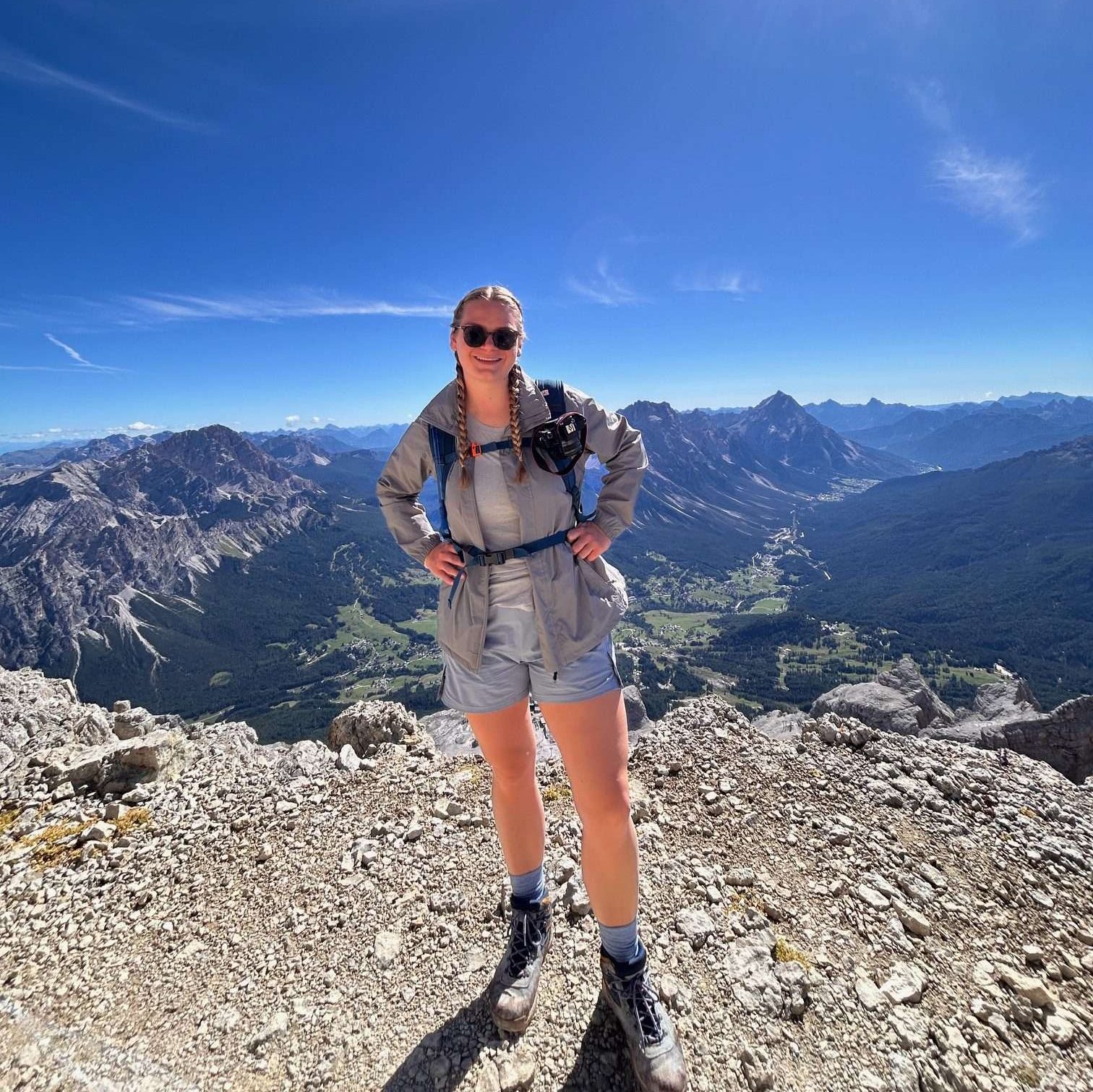
Raincoat / Windbreaker – Weather can change fast. Even if rain isn’t in the forecast, I always pack a lightweight, water-resistant jacket. I personally love this one because it folds down nicely so it doesn’t take up much space in my backpack.
4. Illumination
Flashlight / Headlamp – I don’t usually hike after dark, but a flashlight has saved me on a few unexpected late afternoons. You never know when a trail might take longer than expected.
5. First-Aid
Mini First-Aid Kit – I pack a small kit with band-aids, ibuprofen, antibiotic cream, and hand sanitizer. Hopefully, you won’t need it, but it’s a lifesaver if someone gets a blister or minor scrape. You can buy a pre-made kit or assemble your own.
6. Tools / Repair
Knife / Multi-tool – Even if you rarely use it, a small knife comes in handy for opening snack packs, cutting rope, or emergency situations.
7. Fire (Optional for Day Hikes)
For most short hikes, this isn’t needed, but if you’re in remote areas or camping overnight, a lighter or waterproof matches are a good addition.
8. Nutrition
Snacks & Food – For short hikes, I usually bring a couple of protein bars, trail mix, or fruit. For longer adventures, I pack something more substantial like a sandwich and beef jerky. One time I underestimated snack needs on a 5-hour hike—I won’t make that mistake again!
9. Hydration
Water Bottle or Hydration Bladder – Staying hydrated is key. Hydration bladders make it easy to sip while moving, and most backpacks have a slot for them. Just make sure your bladder fits your bag.
10. Shelter / Safety
Bear Spray – If you’re hiking in bear country, this is non-negotiable. I hope I never need it, but it gives peace of mind.
Emergency Blanket / Small Tarp – A lightweight emergency blanket can be a lifesaver for unexpected weather or minor injuries. The one included in the first-aid kit I purchased conveniently covers this essential.
Bonus Essentials
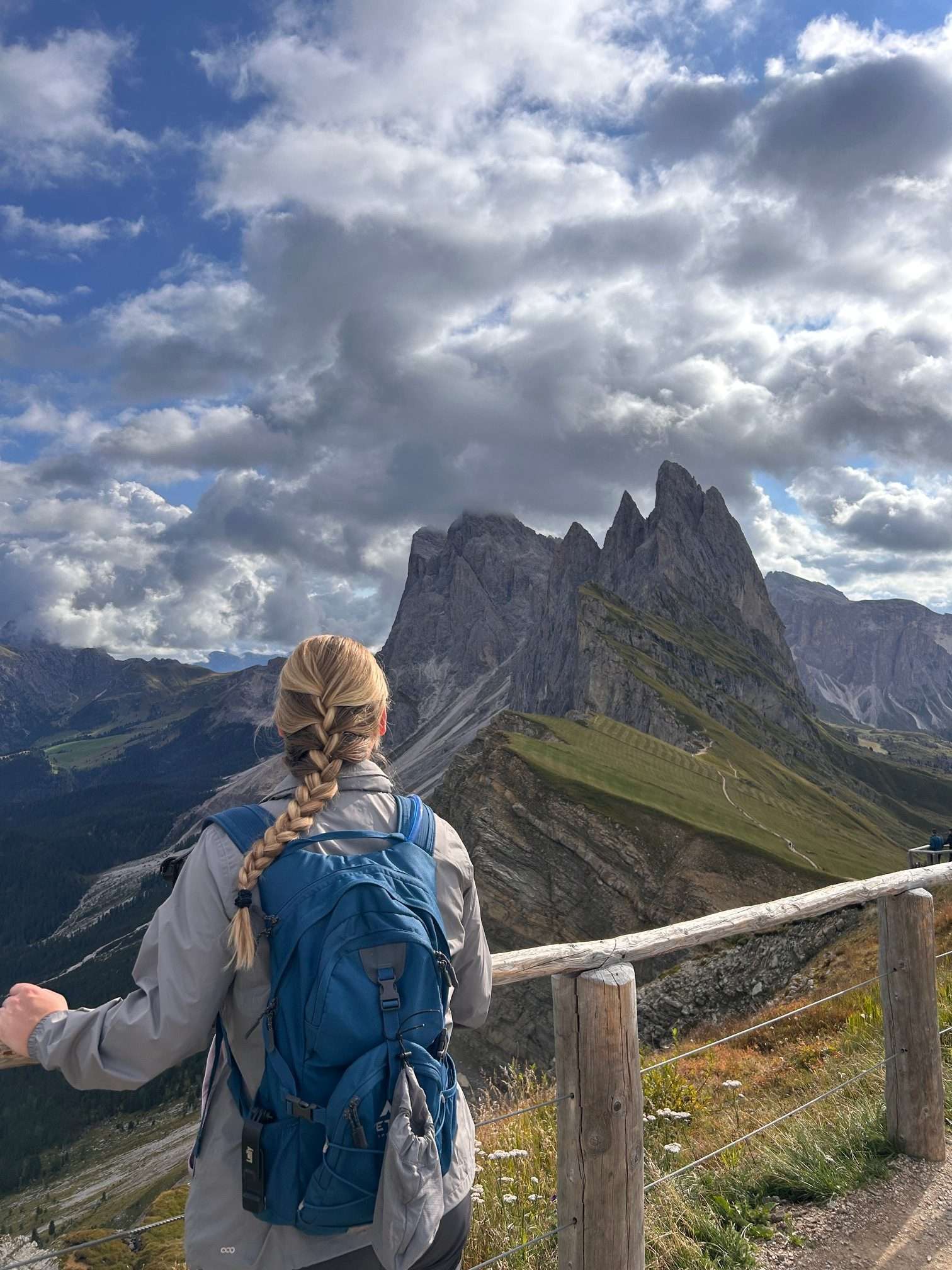
- Hiking Backpack – A comfortable, water-resistant pack is essential. I’ve been using a Teton Hiking Backpack for a few years now and I personally love it! I also have this smaller backpack for short hikes when I don’t need as much space.
- Hiking Poles – I was hesitant at first, but they’ve made steep trails so much easier. Collapsible poles are convenient to store.
- Power Bank – Rarely needed if you don’t use your phone much, but it’s nice to have in case your battery dies. I’ve found it comes in handy quite a few times since I use my phone a lot for photos on the trail.
What to Wear on Your Hike
Choosing the right clothing for your hike can make a huge difference in comfort and safety. Focus on lightweight, moisture-wicking fabrics, supportive shoes, and weather-appropriate layers to stay comfortable on the trail.
Shoes
If you hike regularly, investing in a good pair of hiking boots or trail shoes is worth it. They provide ankle support, protection from mud and streams, and better traction for all types of terrain. For flat trails, a sturdy pair of tennis shoes can work, but once elevation and varied terrain come into play, hiking shoes are a must. I recently upgraded to a new pair of Columbia hiking boots. They’re lightweight, waterproof, and I’m obsessed with the color!
Pants / Shorts
Whether you prefer pants or shorts, look for quick-dry, non-restrictive materials. I’ve been loving these hiking pants—they’re lightweight, breathable, and perfect for longer hikes. I recently picked up a few pairs of hiking shorts for summer, and the material is almost identical to my pants. Bonus: the fun colors are a nice touch.

Tops
The main thing to look for is moisture-wicking, quick-dry fabrics to keep you comfortable. UV-protecting shirts are also a smart choice, especially for sunny hikes.
Hats
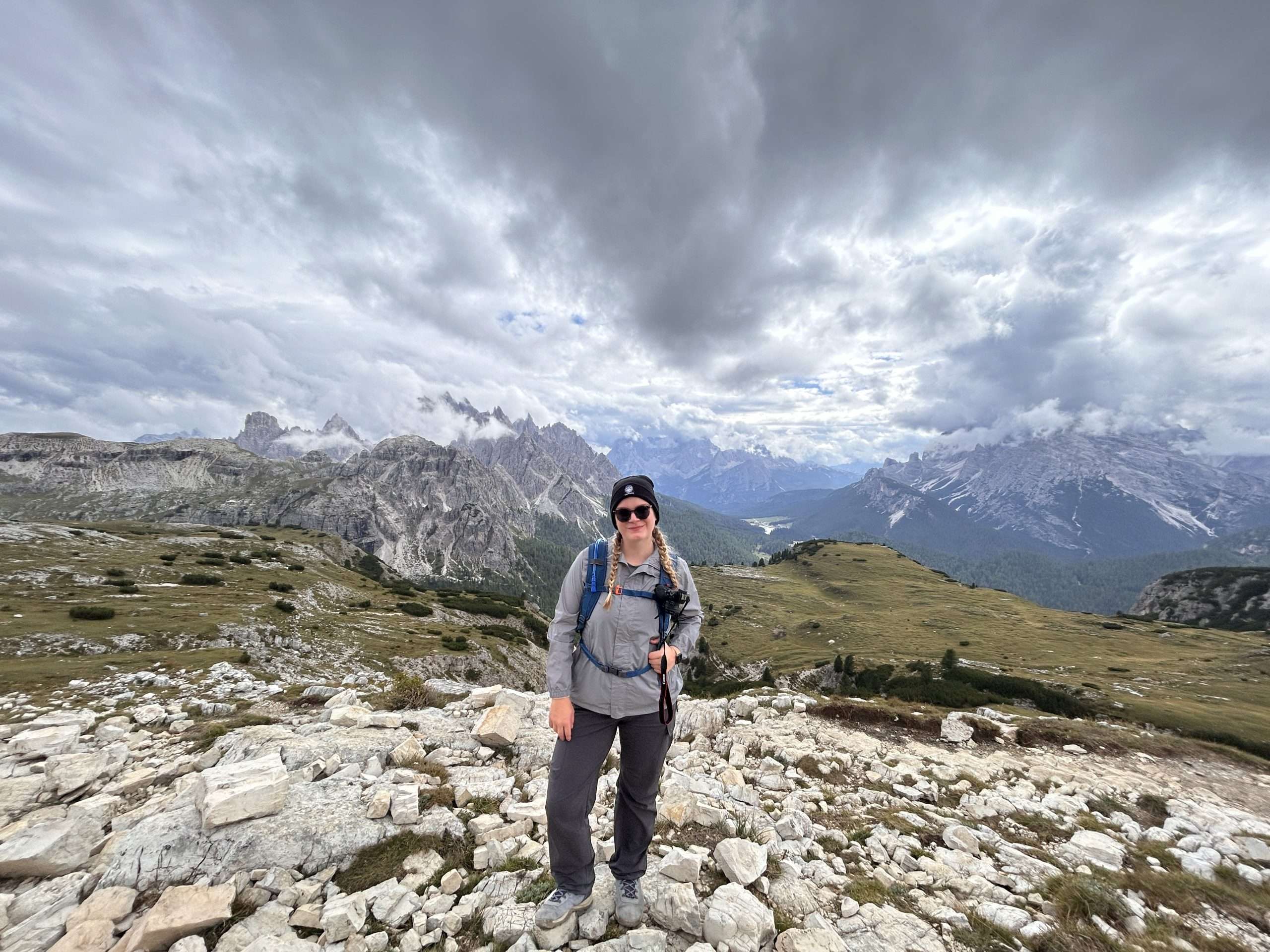
A hat is essential for protecting your face from the sun in summer—a ball cap works great. In winter, a warm beanie is a must to keep your head and ears cozy.
Socks
Wool socks are perfect for winter hikes because they keep your feet warm. Avoid cotton socks—they absorb sweat and can leave your feet wet and uncomfortable.
Sunglasses
A good pair of sunglasses is essential for summer hikes. I have terrible eyesight, so I invested in prescription sunglasses from Firmoo, and I’m so glad I did. They were 50% off during a sale, which was a huge bonus!
Hiking Essentials
Hitting the trails is one of the best ways to get outside, clear your mind, and enjoy some fresh air—but being prepared makes all the difference. With the right gear, from sturdy shoes and weather-ready clothing to snacks, water, and a few safety essentials, your day hike can be safe, comfortable, and a lot more fun. Start with the basics, add what fits your style and the trail, and don’t forget to enjoy the views along the way. Happy hiking!
New to Hiking? Check out this Uncomplicated Guide to Hiking for Beginners!


